

The No Contact rule means you stop all contact with your ex for a set period, usually at least 30 days: no messages, calls, likes, or checking their social media. Its real purpose is not to make them miss you. It gives your mind room to stop waiting for their next move, so the hurt can settle and you can start rebuilding.
The short version
- No Contact is for your recovery, not a tactic to win them back.
- It includes the quiet kinds of contact too: watching their stories, liking posts, asking friends about them.
- Plan for the urge before it comes. It is strongest at night, when you are tired, lonely or have been drinking.
- If you slip, you have not failed. Note it, notice what set it off, and start counting again.
What the No Contact rule actually is
No Contact is a simple boundary you set for yourself after a breakup: for a stretch of time, you do not reach out to your ex in any way, and you stop keeping tabs on them. Most people start with 30 days and extend it. There is nothing magic about the number. It is long enough for the first wave of withdrawal to pass, and short enough to feel possible on day one.
It is not the same as ghosting, and it is not a punishment. If there are practical things to settle, like a lease, belongings or children, you can handle those with short, factual messages. That is called low contact, and it still counts as keeping the spirit of the rule.
Why No Contact helps
After a breakup, a lot of the pain comes from waiting. Waiting for a reply, for a sign they regret it, for the next post that tells you how they are doing. Every check feeds a cycle of hope and disappointment that keeps the wound open.
Brain-imaging research on people who had recently been rejected found activity in regions linked to reward, craving and attachment, the same systems involved in other kinds of wanting. That helps explain why reaching out can feel like relief for a minute and much worse afterwards. Stepping away gives that craving a chance to fade instead of being fed.
Studies on online behaviour point the same way: people who kept checking an ex's social media after a breakup tended to report more distress, more longing for the ex and less personal growth than those who did not.
You are not waiting for them to come back. You are waiting for yourself to come back.
What counts as breaking No Contact
People are often surprised by how much counts. Breaking No Contact includes:
- Texting, calling, emailing or voice notes, including "just checking you're okay" and "happy birthday".
- Liking, reacting to or commenting on their posts.
- Watching their stories or visiting their profile, even from another account.
- Asking mutual friends how they are, or what they said about you.
- Turning up at places where you know they will be.
- "Accidentally" sending a song, a meme or a photo.
The last group is the hardest to admit. Checking feels harmless because they will not know. But you will, and each check restarts the waiting.
How to do No Contact, step by step
Decide your first stretch
Pick a number you can say out loud: 30 days is a good start. Write down the date. You can always extend it, and most people do.
Remove the easy paths
Mute or unfollow them, archive the chat, and move their number off your favourites. You do not have to block them unless you want to. You are just adding a few seconds between the urge and the action.
Tell one person
Choose a friend who will not judge you, and tell them your plan. Ask if you can message them instead when the urge hits.
Plan for your hardest hours
Most slips happen late at night, after a drink, or on anniversaries and birthdays. Decide now what you will do instead: a walk, a shower, a call, or writing the message somewhere it cannot be sent.
Handle practical contact on purpose
If you must talk about money, belongings or children, keep it short, factual and in daytime. One message, no small talk, no feelings.
Count the days
Watching the number go up matters more than it sounds. Every day is evidence that you can do this.
What to do when the urge hits
The urge to reach out is not a sign you should. It is a wave. It rises fast, it feels like it will last forever, and then it breaks. Our guide on how to stop texting your ex goes deeper, but the short version is:
- Name it: "This is the urge. It will pass."
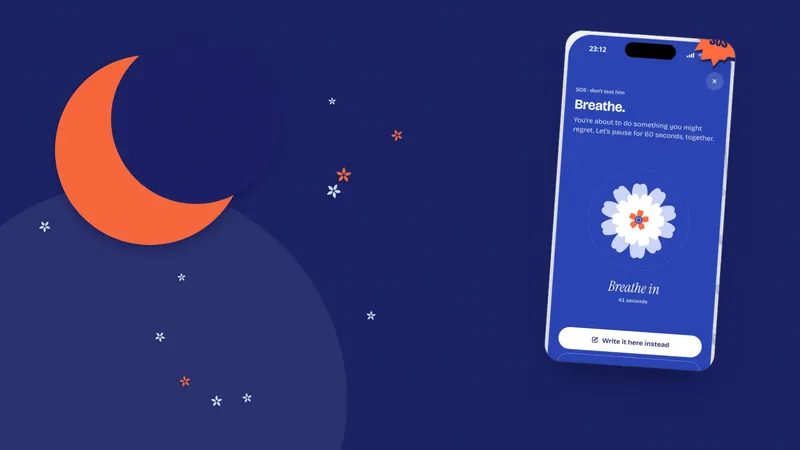
- Breathe slowly for one minute, longer out than in.
- Write the message you want to send, and keep it instead of sending it.
- Change rooms, step outside or call someone.
- Go to bed. Very few good texts are sent after midnight.
If you broke No Contact
Almost everyone slips at least once. It does not erase the days you already did, and it does not mean you are weak. What helps is being curious instead of harsh: what was going on just before? Were you tired, alone, scrolling, drinking? That trigger is useful information for next time.
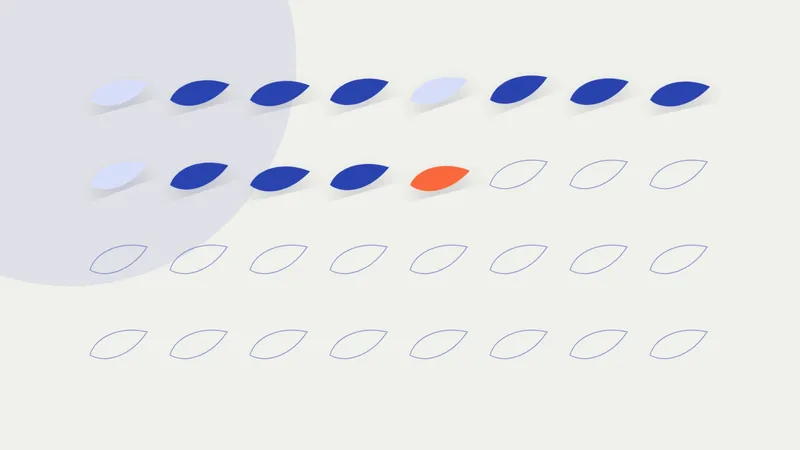
Then start counting again. Lumi never shames a slip: you mark it, write a line about what happened, and your flower keeps the leaves it already grew.
No Contact when you have to stay in touch
If you share children, a workplace or a home, total silence is not realistic. You can still keep the heart of the rule:
- Keep messages to logistics only: times, places, money, documents.
- Use one channel, ideally email or a co-parenting app, not your personal chat.
- Reply within a reasonable time, not instantly.
- Do not ask how they are, and do not answer questions about how you are.
- Stop checking their social media. That part is always in your control.
When No Contact is not the right tool
No Contact is a self-help tool for ordinary breakups. If your ex was controlling, threatening or violent, your safety comes first: talk to a local domestic violence service, and do not meet them alone. If you feel unable to cope, or have thoughts of hurting yourself, please reach out to someone today.
Questions people ask
Does the No Contact rule work?
It works well for what it is meant to do: help you feel better faster by breaking the cycle of checking, hoping and waiting. It does not reliably make an ex come back, and using it as a strategy to win them back usually keeps you stuck. Read more in how long No Contact should last.
How long should No Contact last?
A common starting point is 30 days, and many people continue to 60 or 90 days, or simply never return to regular contact. There is no strong research behind any specific number: choose a stretch you can commit to and extend it as you go.
Should I block my ex during No Contact?
You do not have to. Muting, unfollowing and archiving the chat is often enough. Block them if you keep checking anyway, or if they keep reaching out in ways that pull you back in.
What if my ex texts me during No Contact?
You do not owe an instant reply. Wait at least a day. If it is practical, answer briefly and factually. If it is "I miss you" or "how are you?", you can choose not to reply at all, or send one calm line that keeps your boundary.
Is No Contact the same as ghosting?
No. Ghosting is disappearing without explanation while a relationship is still going on. No Contact happens after the relationship has ended, and it is about protecting your own recovery.
Sources
- Fisher, H. E. et al. (2010). Reward, addiction, and emotion regulation systems associated with rejection in love. Journal of Neurophysiology, 104(1), 51–60.
- Marshall, T. C. (2012). Facebook surveillance of former romantic partners: associations with postbreakup recovery and personal growth. Cyberpsychology, Behavior, and Social Networking, 15(10), 521–526.
- Find a Helpline: free, confidential support in more than 130 countries
This guide is general information, not therapy or medical advice.